

Imagine walking into your dream home: the sunlight dances through the open windows, and the spacious rooms echo with possibilities. You’re already picturing family gatherings in the dining room and cozy nights by the fireplace. But before you can make this dream a reality, there’s a crucial number that could either unlock the door to your future or keep it firmly shut: your credit score.
This seemingly simple figure holds the power to influence not just your mortgage approval but also the interest rates you’ll face, ultimately affecting your long-term financial health.
In today’s competitive housing market, your credit score is more than just a number; it’s a testament to your financial reliability. Lenders use it to gauge how much trust they can place in you, and even a few points difference can significantly alter your borrowing costs.
As we delve into the intricacies of why your credit score reigns supreme in the home-buying journey, we’ll explore how understanding and improving this score can not only save you money but also provide you with the peace of mind needed during such a major life milestone.
Get ready to uncover the hidden impact of your credit score and discover actionable steps to enhance it for smoother sailing in your home-buying adventure.
The Significance of Credit Score in Mortgage Approval
When you decide to buy a home, one of the first hurdles you’ll face is securing mortgage approval.
Lenders don’t just look at your income or down payment; they place tremendous weight on your credit score. This three-digit number summarizes your history of repaying debts, on-time payments, and overall credit management. A higher credit score signals to lenders that you’re a low-risk borrower, making them more inclined to approve your mortgage application. Conversely, a low credit score can raise red flags. Lenders may view you as a potential default risk, leading to denials or demands for larger down payments.
Even if you do qualify for a mortgage with a lower credit score, you’ll likely face stricter terms such as higher fees or the requirement to pay mortgage insurance. Essentially, your credit score can be the deciding factor between getting the keys to your new home or being turned away at the starting line.
Furthermore, the mortgage underwriting process includes a thorough review of your credit report alongside credit score. Any derogatory marks—late payments, collections, or bankruptcies—will be scrutinized, potentially delaying or derailing approval.
That’s why understanding how your credit score impacts mortgage decisions is crucial for aspiring homeowners. By maintaining a strong credit score, you position yourself to not only get approved faster but also enjoy more favorable mortgage terms throughout the life of your loan.
Impact of Credit Score on Interest Rates
Your credit score serves as a gauge of risk for lenders.
When your score is high, lenders interpret you as less likely to default and thus reward you with lower interest rates. Even a small difference in rate—say, 0.25%—on a 30-year mortgage can add up to thousands of dollars over the loan’s lifespan. That’s why maintaining or improving your credit score before applying for a mortgage can save you a significant sum in interest payments.
On the flip side, if your credit score is lower, lenders often compensate for the increased risk by charging higher interest rates. These elevated rates not only increase your monthly mortgage payment but also inflate the total interest paid over time. For instance, borrowing $300,000 at 4.0% versus 4.5% over 30 years results in paying tens of thousands more in interest. Such disparities underscore how critical your credit score is when negotiating mortgage terms.
By understanding the direct link between credit score and interest rates, you can take proactive measures to boost your score before house hunting. Even a modest improvement in your credit score—say, from a 680 to a 720—can qualify you for significantly lower rates.
Effective strategies like reducing credit card balances, avoiding new credit inquiries, and ensuring timely payments can enhance your score and translate into substantial savings on your mortgage.
Understanding Credit Score Ranges
Credit scores typically fall within a range from 300 to 850.
FICO and VantageScore are the two most widely used scoring models, and although their scales may slightly differ, the basic categories remain consistent.
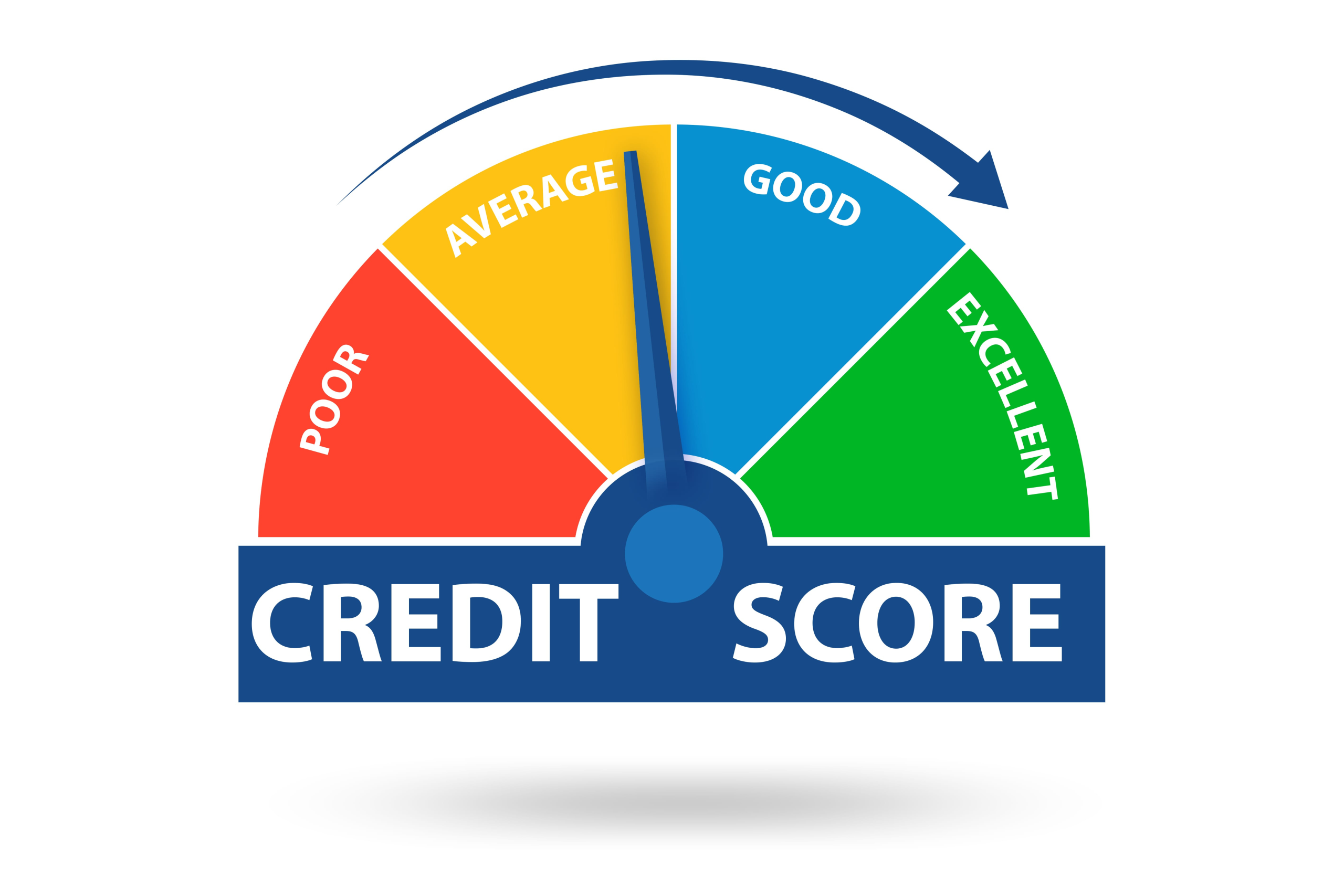
Generally, scores are grouped into ranges: Poor (300–579), Fair (580–669), Good (670–739), Very Good (740–799), and Exceptional (800–850).
Your score range dictates not only your eligibility for different mortgage programs but also the terms and rates you’ll be offered. Each bracket reflects a level of creditworthiness in the eyes of lenders.
Understanding where you stand within these ranges can help you set realistic expectations for the types of loans you might qualify for and the interest rates you can expect.
Factors That Influence Your Credit Score
Your credit score isn’t arbitrary; it’s calculated based on several key factors that reveal your financial behavior.
Payment history is the most significant component, accounting for about 35% of your score. Lenders want to see that you pay your bills on time, every time. A single late payment can drag your score down substantially, especially if it becomes 30 days or more overdue.
Credit utilization—the ratio of your current credit balances to your total credit limits—makes up roughly 30% of your score. High utilization suggests you rely heavily on borrowed money and may struggle to repay. Keeping balances below 30% of each card’s limit is considered ideal.
Length of credit history (15%), new credit inquiries (10%), and credit mix (10%) round out the remaining factors. A long-standing account in good standing, minimal hard inquiries, and a healthy blend of installment loans and revolving credit all contribute positively to your credit profile.
Improving Your Credit Score: Practical Tips
Improving your credit score is a marathon, not a sprint.
First and foremost, always pay at least the minimum payment on time. Setting up automatic payments or calendar reminders can prevent missed due dates. Even one late payment can remain on your credit report for seven years, so consistency is vital.
Next, tackle credit utilization by paying down existing balances and refraining from maxing out cards. If possible, spread purchases across multiple cards to keep individual utilization low. You can also request a credit limit increase, but avoid using the extra credit.
Over time, reduced utilization will boost your score and demonstrate responsible credit management.
Monitoring Your Credit Score Regularly
Keeping an eye on your credit score and report is crucial during the home-buying process.
Regular monitoring helps you detect errors, fraudulent activity, or sudden changes that could derail your mortgage application.
You’re entitled to one free credit report per year from each of the three major bureaus—Equifax, Experian, and TransUnion—through AnnualCreditReport.com. Stagger your requests to check one report every four months and ensure continuous coverage.
Beyond the annual free reports, many banks and credit card issuers now provide free, ongoing access to your credit score and summary. Use these services to stay informed. If you spot inaccuracies, dispute them promptly with the credit bureau to have errors corrected.
Early detection and correction of issues can prevent unwanted surprises when you apply for a mortgage.
Alternative Options for Home Buyers with Low Credit Scores
Even if your credit score falls below conventional loan requirements, you still have options.
Federal Housing Administration (FHA) loans, for instance, accept credit scores as low as 580 with just a 3.5% down payment. For scores between 500 and 579, a 10% down payment may suffice. FHA loans tend to have more lenient qualification criteria, making them ideal for first-time buyers.
Other programs like the U.S. Department of Veterans Affairs (VA) loans offer zero down payment and flexible credit standards for eligible veterans and service members.
USDA loans also serve rural home buyers, often with no down payment requirement.
These government-backed loans can help bridge the gap for buyers whose credit score isn’t yet competitively high.
Seeking Professional Help to Boost Your Credit Score
If you’re overwhelmed by the steps needed to improve your credit score, consider consulting a certified credit counselor.
Nonprofit credit counseling agencies provide personalized guidance on budgeting, debt repayment, and credit management. They can work with you to create a tailored action plan and negotiate with creditors on your behalf.
Alternatively, some homeowners choose to work with reputable credit repair firms. Be cautious and research each company thoroughly—ensure they have positive reviews, transparent pricing, and no promise of instant fixes.
Legitimate firms will review your credit report, identify disputable items, and help you file disputes, but they can’t erase accurate negative information.
The Long-Term Financial Benefits of a Good Credit Score
A strong credit score extends benefits far beyond mortgage approval and interest rates.
Lower interest on car loans, credit cards, and personal loans can save you thousands over time. Even utility companies, insurers, and landlords often use credit scores to determine rates and deposits.
A high score can lead to lower insurance premiums, waived security deposits, and better rental terms.
Moreover, achieving and maintaining an excellent credit score reflects disciplined financial habits—on-time payments, low debt levels, and responsible borrowing.
These behaviors not only ease the path to homeownership but also foster overall financial resilience, enabling you to handle emergencies, invest in future goals, and build lasting wealth.
Conclusion: Empowering Your Home-Buying Journey through Credit Score Management
Your credit score is the linchpin of the home-buying process.
From securing mortgage approval to locking in favorable interest rates, this three-digit number wields remarkable influence over your financial trajectory.
By understanding the factors that shape your credit score and adopting practical improvement strategies—such as on-time payments, credit utilization management, and regular monitoring—you position yourself for success.
Whether you’re a first-time buyer or looking to refinance, proactive credit management will empower you to navigate the competitive housing market with confidence. Remember, every step you take to bolster your credit score today brings you closer to owning your dream home tomorrow.