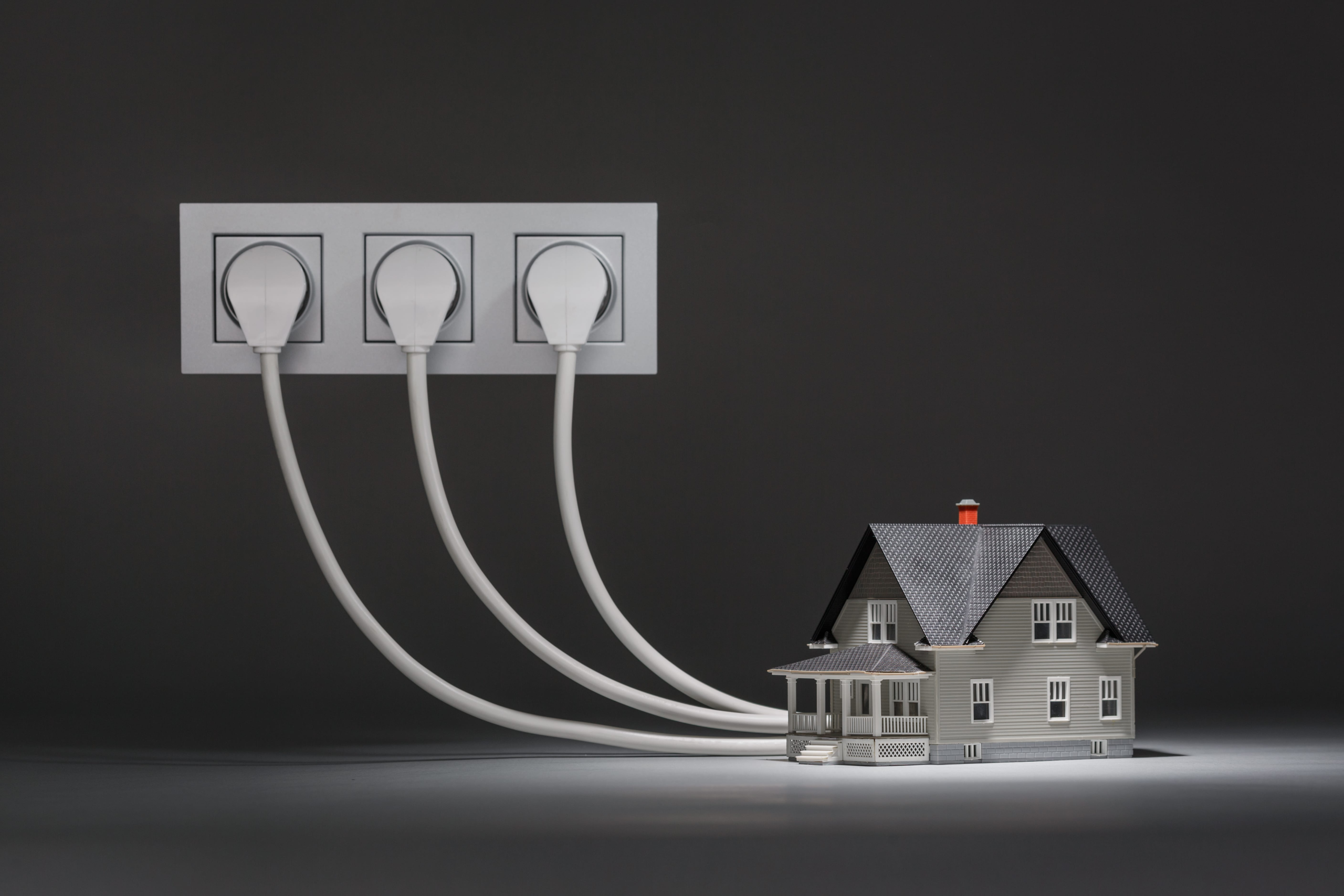
As the summer sun blazes down, keeping your home cool and comfortable can feel like a never-ending battle. With energy bills soaring during these sweltering months, finding ways to cut costs without sacrificing comfort becomes a top priority for many households.
Enter the latest home trends that promise to transform your energy consumption and offer significant savings. These innovations are not just about reducing numbers on your bill but also about paving the way towards a more sustainable future.
This season’s energy-saving techniques blend technology with practicality, creating solutions that are as efficient as they are forward-thinking.
From smart thermostats that learn your cooling habits to solar-powered devices that harness the sun’s strength, these advancements are set to redefine how we manage our energy use.
By exploring these top summer trends, you can ensure your home remains an oasis of cool without breaking the bank.
Get ready to discover how small changes can make a big impact on your home’s energy efficiency.
Smart Thermostats: Revolutionizing Home Cooling
One of the standout home trends this season is the adoption of smart thermostats, which have completely transformed how we control indoor temperatures.
Unlike traditional programmable models, smart thermostats learn your habits over time. They analyze when you’re home, when you’re away, and even how outside weather fluctuations impact your cooling needs. By leveraging machine learning algorithms, these devices automatically adjust setpoints to deliver maximum comfort while minimizing energy waste.
Integration with voice assistants and smartphone apps also means you can tweak your home’s climate from anywhere, ensuring you never come back to a sweltering house. Smart thermostats frequently include zoning capabilities, allowing different rooms or floors to maintain separate temperatures. This targeted approach delivers customized comfort while avoiding the energy drain of cooling unused areas. Many models provide detailed energy reports, showing you exactly how much you’re spending each day and where additional savings are possible.
Rebates and incentives from utility companies are often available, accelerating your return on investment.
With installation as simple as swapping out your old thermostat and following a guided app setup, upgrading to a smart thermostat is both convenient and impactful.
Embrace this cutting-edge home trend to revolutionize your cooling strategy and slash your summer energy bills.
Solar-Powered Solutions: Harnessing the Sun’s Energy
Solar-powered systems are no longer confined to large, rooftop photovoltaic panels. This home trend now encompasses an array of devices designed to reduce grid dependency while keeping your house refreshingly cool.
Solar attic fans, for instance, use photovoltaic cells to run ventilation fans that expel hot air buildup in attic spaces. By preventing heat transfer into living areas, these fans lighten the burden on your air conditioner and can slash cooling costs by up to 30 percent. Installation is straightforward, often requiring no electrical hookups—just mount the fan on the roof and let the sun do the work.
In addition to attic fans, portable solar chargers and solar-powered air conditioners are gaining traction. Lightweight solar panels can be positioned on balconies or patios to power small AC units during daytime peak usage.
For homeowners ready to invest more substantially, hybrid solar-plus-battery systems offer round-the-clock cooling and backup power in case of outages. Many states offer significant tax credits and rebates on solar installations, making now a perfect time to ride this rising home trend.
By turning the relentless summer sun into a cooling ally, solar-powered solutions exemplify sustainable innovation and deliver long-term savings on your energy bills.
Energy-Efficient Appliances: Upgrading for Savings
Replacing aging appliances with energy-efficient models is a tried-and-true method for cutting summer energy costs. Refrigerators, freezers, and dishwashers with ENERGY STAR certification use advanced compressors, insulation, and electronics to operate far more efficiently than older units.
Upgrading to a modern, high-efficiency refrigerator alone can reduce electricity consumption by 10–15 percent. When combined with an energy-efficient washing machine or a heat-pump dryer, your cumulative savings can be substantial.
Beyond major kitchen appliances, look at your home’s ancillary devices: dehumidifiers, ceiling fans, and pool pumps. ENERGY STAR-rated dehumidifiers optimize humidity control without overworking your air conditioner, while variable-speed pool pumps run at lower speeds most of the time, cutting electricity use by as much as 70 percent.
Smart plugs and energy monitors help identify “vampire loads” from devices on standby, enabling you to unplug or schedule operate times to avoid peak-rate hours.
Embracing these upgrades not only lowers bills but also aligns your household with the latest home trends in energy conservation.
Eco-Friendly Insulation: Keeping Cool Air In, Heat Out
Proper insulation is the cornerstone of home energy efficiency, yet many older homes remain under-insulated. Investing in eco-friendly materials such as cellulose (made from recycled paper), rigid foam boards, and spray foam insulation creates an airtight barrier that prevents cool air from escaping.
These sustainable insulation options boast high R-values per inch, meaning you need less material to achieve excellent thermal resistance. Attic and wall insulation upgrades are especially impactful during summer, as they directly block heat infiltration.
Reflective radiant barriers, installed under roof sheathing, deflect up to 97 percent of radiant heat. In hot climates, adding insulation to attic floors combined with proper attic ventilation can reduce air-conditioning needs by up to 15 percent.
Wall cavities retrofitted with blown-in cellulose or foam seal cracks and crevices, thwarting air leaks around windows, doors, and electrical outlets. This level of sealing keeps conditioned air inside, helps maintain steady indoor temperatures, and aligns with modern home trends prioritizing sustainability and comfort.
Automated Shades and Blinds: Controlling Sunlight for Optimal Cooling
Automated window treatments are a sleek and practical home trend for regulating solar heat gain. Motorized blinds and shades can be programmed to close during peak sun hours, blocking direct sunlight that can warm interiors by several degrees.
When integrated with a smart home hub or thermostat, these window coverings adjust automatically based on time of day, temperature, or sunlight intensity sensors. Installation typically involves retrofitting existing blinds or installing new smart shades that require minimal wiring. Some systems run on rechargeable batteries or solar strips, eliminating the need for electrical work.
By shading windows on the south and west sides of your home, you reduce the load on your AC and limit temperature swings.
In addition, automated shades offer privacy and UV protection for furniture and flooring, combining form and function in a single solution that complements today’s energy-conscious home trends.
Seasonal HVAC Maintenance: Ensuring Peak Performance
Even the most advanced cooling systems can underperform if not properly maintained. Seasonal HVAC maintenance is a relatively low-cost strategy to ensure your equipment runs at peak efficiency.
Changing air filters every one to three months can improve airflow, reduce strain on the blower motor, and maintain indoor air quality. Neglected filters force your system to work harder, increasing energy consumption and wear.
Professional tune-ups include cleaning evaporator and condenser coils, checking refrigerant levels, lubricating moving parts, and inspecting ductwork for leaks or blockages.
Addressing refrigerant leaks promptly not only restores cooling capacity but also prevents energy waste and potential environmental harm.
Annual maintenance agreements often include priority service and discounted repairs, making them a worthwhile investment.
By scheduling HVAC checks before the hottest weeks of summer, you can avoid mid-season breakdowns and keep your home cool without unexpected spikes in your energy bills.
Energy Audit: Identifying Hidden Sources of Energy Loss
An energy audit offers a comprehensive review of where your home is losing energy and how to fix it.
Professional auditors use infrared cameras, blower door tests, and utility bill analyses to pinpoint inefficiencies, from air leaks around windows to poorly insulated ductwork. A detailed audit report will prioritize improvements based on cost-effectiveness and potential savings.
DIY energy audits are also possible with a few simple tools: a thermal leak detector, caulking gun, and outlet sealers. Walking around your home on a hot day, you can feel drafts near frames and penetrations. Sealing these gaps with high-quality caulk or weather-stripping can yield immediate savings.
The audit might also highlight oversized HVAC units that short-cycle or outdated thermostats that fail to regulate properly. Tackling audit recommendations in order of ROI ensures that you make smart, budget-friendly decisions aligned with the latest home trends in energy efficiency.
Sustainable Landscaping: Cooling Your Home Naturally
Landscaping plays a surprisingly significant role in summer cooling. Strategically planting shade trees and shrubs can shield your home from intense sunlight, reducing wall and roof temperatures by as much as 20 degrees Fahrenheit.
Deciduous trees on the south and west faces provide thick summer foliage for shade, then shed leaves in winter to allow passive solar heating.
Green roofs and living walls are emerging as innovative sustainable landscaping solutions. A vegetative roof system includes layers of soil and plants that absorb heat, provide natural insulation, and manage storm water runoff. Green walls along patios create cooler outdoor living areas by blocking radiant heat.
Other tactics include installing permeable paving, which reduces reflected heat, and employing mulches or ground covers that maintain lower surface temperatures.
Embrace these garden-focused home trends to create a naturally cooler microclimate around your residence.
Future of Home Energy Efficiency: Trends to Watch
Looking ahead, cutting-edge technologies promise to further transform how we cool our homes. AI-driven HVAC systems will anticipate cooling requirements based on weather forecasts, occupancy patterns, and even local electricity demand.
These predictive controls can shift load away from peak-rate periods, saving both energy and money. Advances in phase-change materials—substances that absorb or release heat as they change state—may be integrated into walls or ceilings to smooth out temperature swings.
The rise of the smart grid will enable two-way communication between homes and utilities, allowing homeowners to sell excess solar energy back to the grid or participate in demand-response programs. Nanotechnology is already making its way into highly reflective paints and coatings that deflect up to 90 percent of solar radiation.
As these innovations mature, they’ll become mainstream home trends, offering sophisticated yet user-friendly ways to stay cool and conserve resources.
Conclusion: Embracing a Cool, Cost-Effective Future
By integrating the latest home trends— from smart thermostats to sustainable landscaping— into your cooling strategy, you can achieve significant energy savings this summer.
Each solution works in harmony with others to create an ecosystem of efficiency that keeps your home comfortable and your utility bills in check.
Adopting these practices not only benefits your wallet but also contributes to a greener planet. As technology advances, staying informed and proactive ensures that your household remains at the forefront of sustainable comfort.
Here’s to enjoying a cooler, more cost-effective summer and a brighter, energy-wise future.